
Why Inflammation Is a Root Cause of Modern Illness
As holistic health practitioners, we often trace chronic health conditions back to one root cause: inflammation. Whether your clients are managing autoimmune conditions, chronic pain, digestive issues, fatigue, or mood imbalances, underlying inflammation is usually part of the picture.
But here’s the empowering truth: what we eat can either fuel inflammation or calm it. Anti-inflammatory meal planning—when done thoughtfully—can become a daily medicine, helping the body rebalance, heal, and thrive.
What Is an Anti-Inflammatory Diet?
An anti-inflammatory diet emphasizes nutrient-dense, whole foods that support immune health, gut function, and cellular repair. It avoids foods that trigger systemic inflammation, oxidative stress, and immune overactivation.
Key principles include:
- Whole, unprocessed foods
- High intake of colorful fruits and vegetables
- Healthy fats (especially omega-3s)
- Clean proteins and fiber-rich grains
- Spices and herbs with anti-inflammatory properties
- Elimination of inflammatory triggers (gluten, dairy, refined sugar, seed oils, processed foods)
Benefits of Anti-Inflammatory Meal Planning
Clients who adopt this style of eating often report:
- Reduced joint pain, bloating, and fatigue
- Improved digestion and gut health
- Clearer skin and fewer breakouts
- Enhanced mental clarity and mood
- Stable blood sugar and energy levels
- Improved sleep and stress resilience
As a practitioner, you can use anti-inflammatory nutrition as a foundational intervention for almost any health condition.
Whole Foods That Fight Inflammation
Include these anti-inflammatory powerhouses in weekly plans:
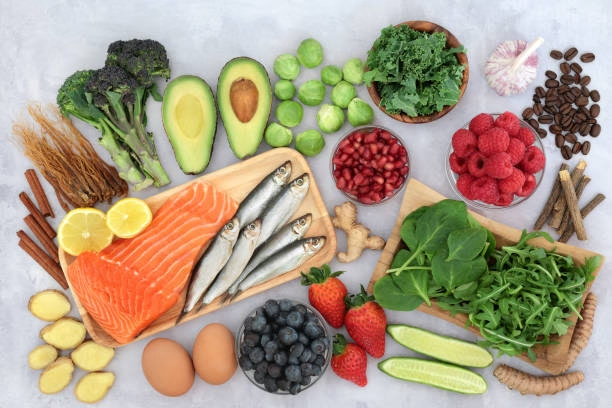
Vegetables: Broccoli, kale, spinach, arugula, Brussels sprouts
Fruits: Berries, cherries, pomegranate, citrus, avocado
Fats: Extra virgin olive oil, flaxseed oil, chia seeds, wild-caught salmon, walnuts
Proteins: Pastured poultry, grass-fed beef, legumes, tempeh, eggs (if tolerated)
Grains: Quinoa, wild rice, buckwheat, oats (gluten-free)
Herbs & Spices: Turmeric, ginger, garlic, cinnamon, rosemary, oregano, basil
Herbal Allies for Inflammation Support
Complement meal planning with these medicinal herbs:
- Turmeric (curcumin): Potent COX-2 inhibitor, ideal for chronic pain and gut inflammation
- Ginger: Supports digestion and reduces muscle soreness
- Holy basil (Tulsi): Adaptogenic, balances cortisol and immune activity
- Rosemary: Contains rosmarinic acid, supports brain health and inflammation control
- Boswellia: Known for joint support and anti-arthritic action
- Nettle leaf: Mineral-rich, great for histamine-driven inflammation
✨ Pro tip: Recommend teas, tinctures, or culinary applications for sustainable use.
Weekly Anti-Inflammatory Meal Planning Framework
Offer clients (or structure your own plans) using this simple guide:
Day 1 – Reset & Nourish
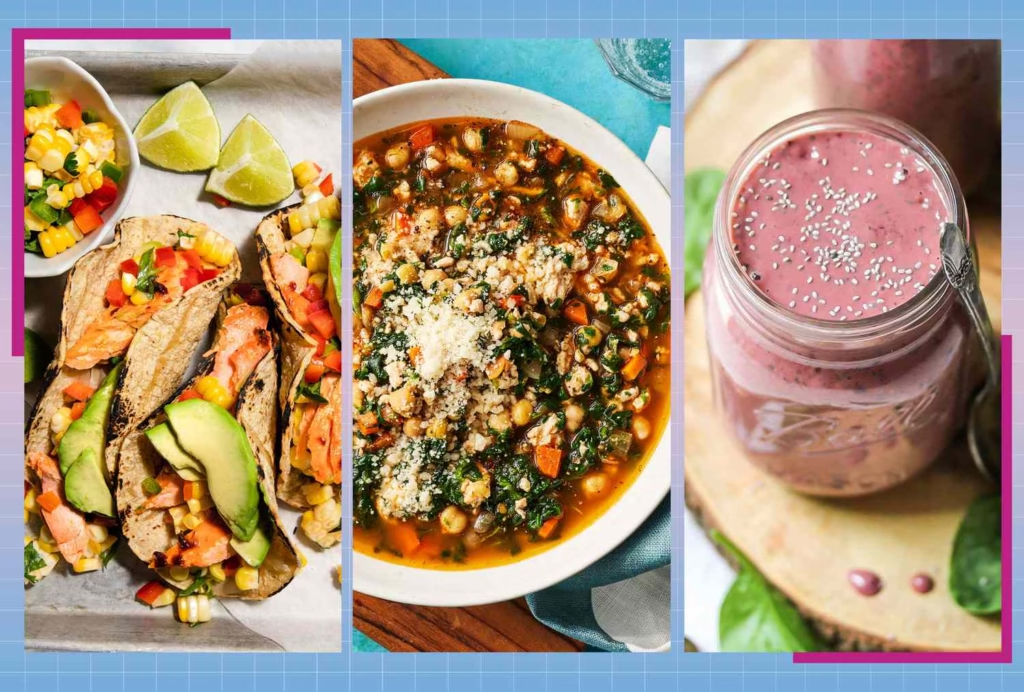
- Breakfast: Chia pudding with berries and flaxseed
- Lunch: Lentil and vegetable soup with fresh herbs
- Dinner: Wild salmon with roasted turmeric cauliflower and sautéed greens
- Herb pairing: Ginger-lemon tea
Day 2 – Gut & Immune Focus
- Breakfast: Green smoothie with spinach, banana, avocado, and spirulina
- Lunch: Quinoa salad with chickpeas, arugula, and pumpkin seeds
- Dinner: Chicken bone broth soup with garlic, rosemary, and mushrooms
- Herb pairing: Tulsi tea for cortisol balance
Day 3 – Anti-Stress & Blood Sugar Balance
- Breakfast: Gluten-free oats with walnuts, blueberries, and cinnamon
- Lunch: Turkey lettuce wraps with avocado and homemade hummus
- Dinner: Stir-fry with broccoli, bok choy, ginger, and tofu or shrimp
- Herb pairing: Cinnamon-infused rooibos tea
Continue this pattern throughout the week with rotating proteins, seasonal produce, and herbs.
Tips for Practitioners: Implementing Meal Planning into Practice
- Offer custom meal plan templates based on client symptoms (e.g., autoimmune, adrenal fatigue, skin inflammation)
- Integrate herbal education for daily culinary and therapeutic use
- Create a seasonal recipe eBook or digital download to build engagement
- Provide batch cooking and prep tips for sustainable eating
- Partner with nutritionists or herbalists for deeper client guidance
Meal Planning Is Medicine
Anti-inflammatory eating is one of the most powerful and accessible tools in your holistic health toolkit. By helping your clients build a supportive relationship with food—and integrating herbal allies—you’re empowering long-term healing from the inside out.