
Integrating Sustainability and Self-Care in Holistic Health
As holistic health practitioners, our work naturally extends beyond the individual to encompass the environment that sustains us. Eco-holistic living merges sustainability with self-care, recognizing that nurturing ourselves and the planet are deeply interconnected.
By embracing eco-conscious practices, we not only enhance personal wellness but also contribute to a healthier, more resilient Earth—supporting long-term vitality for clients and communities alike.
What Is Eco-Holistic Living?
Eco-holistic living is a lifestyle approach that integrates:
- Mindful consumption
- Sustainable choices
- Natural self-care rituals
- Respect for Earth’s ecosystems
- Ethical wellness practices
This lens views health as a dynamic relationship between body, mind, spirit, and environment—encouraging practices that nurture all these aspects harmoniously.
Why Sustainability Matters in Holistic Health
The state of our environment directly impacts individual and collective health. Pollution, chemical exposure, and climate change contribute to chronic inflammation, toxin buildup, and stress—all factors holistic practitioners address regularly.
By supporting clients in adopting sustainable habits, we reduce:
- Exposure to harmful chemicals and pollutants
- Waste and environmental toxins in the home
- Carbon footprints linked to health and wellness products
This enhances the quality of air, water, and soil—ultimately fostering healthier bodies and ecosystems.
Practical Eco-Holistic Self-Care Practices
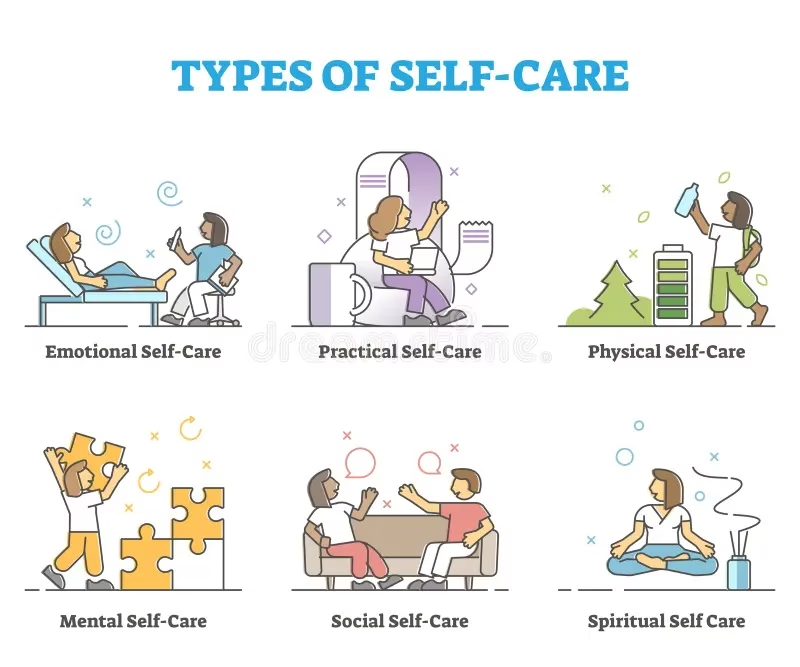
Here are actionable ways practitioners can guide clients toward eco-holistic living:
🌿 Natural and Non-Toxic Personal Care
- Choose biodegradable, plant-based products free from parabens and synthetic fragrances
- DIY herbal skincare using calendula, chamomile, and rosehip oils
- Support zero-waste grooming tools like bamboo toothbrushes and safety razors
🌱 Sustainable Nutrition Choices
- Emphasize whole, organic, seasonal, and local foods
- Advocate for plant-forward diets reducing environmental impact
- Encourage food waste reduction strategies like composting and meal planning
💧 Mindful Water and Energy Use
- Promote mindful hydration with reusable bottles and filtered water
- Suggest energy-efficient home routines, including mindful shower times and natural light use
- Incorporate grounding practices outdoors to connect with nature’s rhythms
🕯️ Eco-Friendly Mind-Body Practices
- Practice yoga or meditation outdoors to deepen Earth connection
- Use essential oils sustainably sourced and in small quantities
- Create calming spaces with natural materials and plants
How Holistic Practitioners Can Integrate Eco-Holistic Living
- Include sustainability assessments during client intakes to tailor eco-friendly guidance
- Host workshops or virtual classes on natural product making or eco-conscious cooking
- Collaborate with local sustainable businesses to offer clients curated resources
- Share educational content highlighting the link between environment and health
The Ripple Effect: Creating Community Through Eco-Holistic Practices
Encouraging eco-holistic living fosters community resilience. When families and clients adopt sustainable self-care, they inspire others—multiplying the positive impact on public health and the environment.
A Synergistic Path to Wellness and Planetary Health
Eco-holistic living invites us to see sustainability and self-care as inseparable partners on the journey to holistic well-being. By nurturing ourselves with conscious choices that honor the Earth, we strengthen the foundation for vibrant, thriving lives—for today and future generations.
As a holistic health practitioner, you hold the keys to guide your clients beyond individual healing toward planetary wellness and conscious living.