
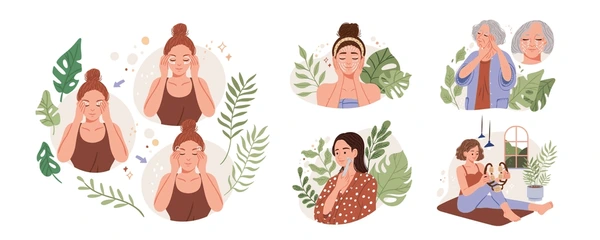
Empowering Clients with Acupressure: A Simple Tool for Self-Care
As holistic health practitioners, we strive to provide clients with practical, accessible tools that promote self-healing and well-being. Acupressure—an ancient technique rooted in Traditional Chinese Medicine (TCM)—is one such powerful modality that can be safely practiced at home to support stress reduction, digestive health, and restful sleep.
Teaching clients how to activate key pressure points empowers them to take charge of their health between sessions, deepening the mind-body connection while easing common discomforts naturally.
What Is Acupressure?
Acupressure involves applying gentle to firm pressure on specific points along the body’s energy meridians. These points correspond to organs and systems, and stimulating them encourages the flow of Qi (vital energy), promotes circulation, and balances the nervous system.
Unlike acupuncture, acupressure is non-invasive and easy to learn—making it ideal for self-care routines and family wellness.
Top DIY Acupressure Points to Share with Clients
1. LI4 (Hegu) – The Stress Reliever
- Location: Between the thumb and index finger
- Benefits: Relieves tension headaches, reduces stress and anxiety, eases neck pain
- How to use: Apply firm pressure with the opposite thumb for 1-2 minutes, breathing deeply
2. PC6 (Neiguan) – The Digestion and Nausea Point
- Location: Inner forearm, about three finger-widths from the wrist crease
- Benefits: Eases nausea, calms indigestion, supports emotional balance
- How to use: Use the thumb to press in a circular motion for 2-3 minutes
3. SP6 (Sanyinjiao) – The Hormonal and Sleep Balancer
- Location: About four finger-widths above the inner ankle bone
- Benefits: Regulates menstrual cycles, promotes relaxation and quality sleep
- How to use: Apply gentle pressure or massage in small circles for 1-2 minutes on each leg
4. Yintang (Third Eye) – The Calm Mind Center
- Location: Between the eyebrows, slightly above the nose bridge
- Benefits: Reduces anxiety, calms the mind, aids in insomnia
- How to use: Apply gentle pressure or tap lightly for 1-2 minutes, focusing on slow breathing
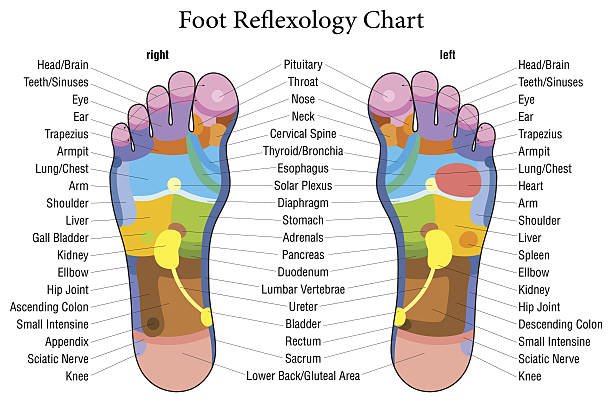
How to Guide Clients in Practicing Acupressure at Home
- Set a calm environment: Encourage clients to sit or lie down in a quiet space
- Use mindful breathing: Combine pressure with slow, deep breaths to enhance relaxation
- Pressure level: Advise applying enough pressure to feel sensation without pain
- Consistency: Recommend daily practice or as needed during stressful moments or before sleep
- Hydrate: Drinking water post-session helps flush toxins released during stimulation
Integrating Acupressure into Holistic Health Plans
Acupressure complements other holistic modalities such as:
- Herbal medicine: Combine with calming teas (chamomile, valerian) for sleep support
- Mindfulness and meditation: Enhance mental clarity and stress reduction
- Nutrition: Support digestion with anti-inflammatory foods and probiotics
- Movement therapies: Yoga, Qigong, or gentle stretching to stimulate energy flow
Safety Considerations
While acupressure is generally safe, remind clients to avoid:
- Applying pressure on broken skin, wounds, or varicose veins
- Excessive pressure during pregnancy on points contraindicated in pregnancy (e.g., SP6)
- Using acupressure as a replacement for professional medical care in serious conditions