
November is National Family Caregivers Month
November is National Family Caregivers Month, a time to recognize the people who quietly do some of the most important work in healthcare. They are the spouses helping manage medications, the adult children taking parents to appointments, and the family members staying up late because someone they love needs extra care.
Most of these individuals would never call themselves caregivers. They are simply doing what needs to be done for someone they love but anyone who has worked in nursing knows that caregiving is rarely simple.
Behind every patient managing a chronic illness, recovering from surgery, or navigating a mental health condition, there is often a family member trying to keep everything together. They are remembering medication schedules, asking questions at appointments, coordinating transportation, and worrying about what might happen next. While we spend a great deal of time talking about patient health, we don’t always stop to ask an equally important question: Who is taking care of the caregiver?
November is National Family Caregivers Month, and this month we’re looking at the emotional challenges caregivers face, why caregiver burnout deserves more attention, and how nurses can make a meaningful difference.
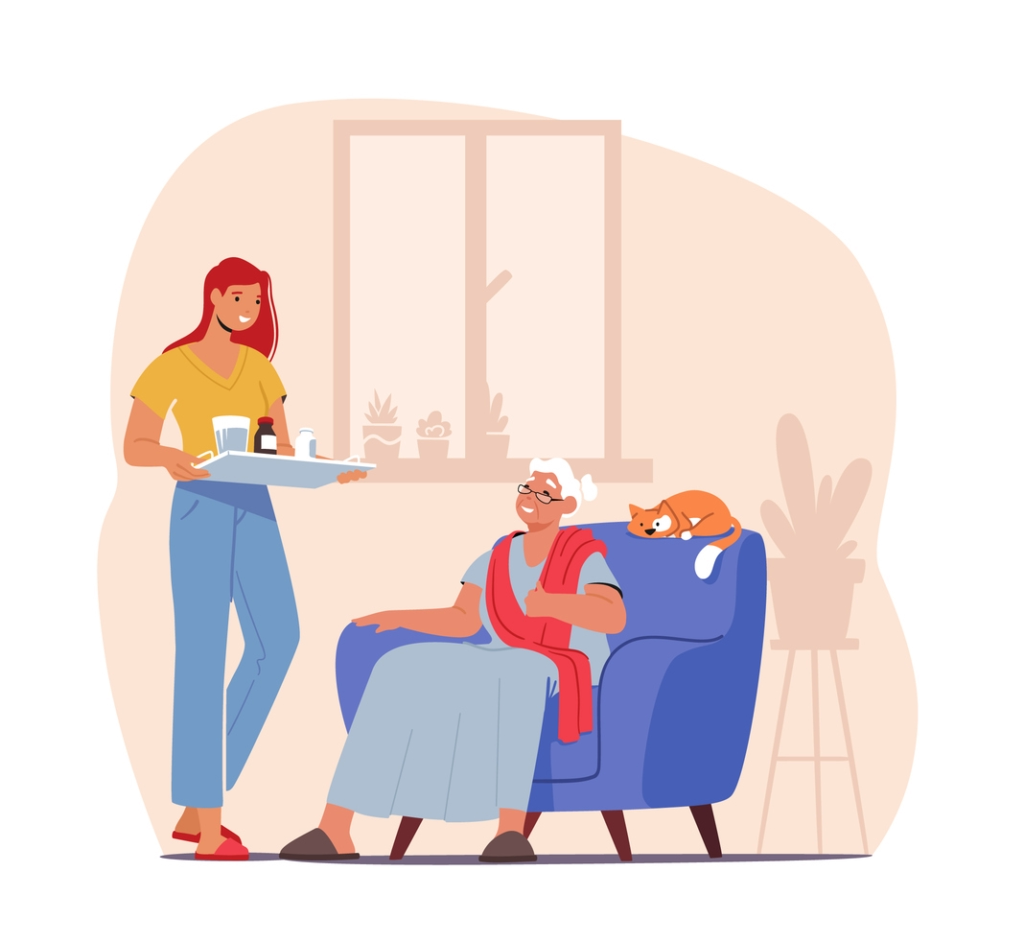
The Emotional Side of Family Caregiving We Don’t Talk About Enough
Family caregiving often begins gradually. Maybe a parent needs help getting to a doctor’s appointment. Maybe a spouse needs assistance managing medications after a diagnosis. What starts as an occasional responsibility can slowly become part of someone’s everyday life. Before long, caregivers may find themselves balancing work, children, household responsibilities, and the medical needs of a loved one.
The emotional weight of these responsibilities can be difficult to explain to someone who hasn’t experienced them. There is the constant worry about whether you’re doing enough. There is the frustration of navigating medical appointments and insurance questions. There is the exhaustion that comes from being needed almost every hour of the day.
And then there is the guilt.
Many family caregivers feel guilty when they take a break, ask for help, or admit that they are overwhelmed. They may believe that because they love the person they are caring for, they should be able to handle everything. But loving someone doesn’t make caregiving any less exhausting.
Caregiver stress is real, and acknowledging it doesn’t mean someone cares any less about their loved one.
This is especially important for families supporting individuals with mental health conditions, dementia, or chronic illnesses that require ongoing supervision. These caregivers may be dealing with unpredictable symptoms, emotional changes, and the uncertainty of not knowing what tomorrow will bring. Recognizing the emotional demands of caregiving is an important first step toward protecting caregiver mental health.
What Nurses Often Notice Before Anyone Else
Nurses have a unique perspective when it comes to family caregivers.
We see the daughter who arrives at every appointment with a notebook full of questions. We see the husband who knows every medication his wife takes but struggles to remember when he last had a full night’s sleep. We see the parent who is so focused on their child’s health that they barely mention their own.
Sometimes, the signs of caregiver burnout are right in front of us.
A caregiver may seem unusually anxious, frustrated, withdrawn, or physically exhausted. They may have difficulty remembering instructions or express concerns about managing everything at home.
These moments matter.
While nurses cannot solve every challenge a family faces, they can create opportunities for honest conversations. Something as simple as asking, “How are you doing with all of this?” can open the door to a discussion that might not otherwise happen.
It reminds caregivers that they are seen, that their well-being matters, and that they are an important part of the healthcare conversation.
Understanding Caregiver Burnout and Why It Matters
Caregiver burnout happens when the ongoing physical and emotional demands of caregiving become overwhelming. It can affect anyone, regardless of how experienced, organized, or dedicated they may be.
Some of the most common signs of caregiver burnout include:
- Feeling physically or emotionally exhausted most days
- Experiencing changes in sleep or appetite
- Becoming easily frustrated, anxious, or overwhelmed
- Withdrawing from friends, family, or activities once enjoyed
- Having difficulty concentrating or making decisions
- Neglecting personal medical appointments or health needs
- Feeling hopeless or believing there is no time for personal needs
These symptoms deserve attention, particularly when they persist or begin interfering with daily life. For nurses, recognizing caregiver burnout is about more than identifying stress. It is about understanding how the health of a caregiver can influence the health of the person receiving care.
When caregivers are exhausted, it may become harder to manage complex treatment plans, maintain routines, or respond to changing medical needs. Supporting caregiver wellness helps strengthen the entire care environment.
A Holistic Approach to Caregiver Mental Health
When someone is overwhelmed, telling them to “practice self-care” can feel like one more responsibility added to an already impossible schedule. Most caregivers know they should be getting more sleep, eating healthier meals, and taking breaks. The challenge is finding the time and support to make those things happen. That’s why holistic caregiver wellness should focus on realistic, manageable changes rather than expecting caregivers to completely reorganize their lives.
Nutrition: Small Changes Can Make a Difference
It’s easy for caregivers to prioritize everyone else’s meals while overlooking their own.
A quick cup of coffee might replace breakfast. Lunch may happen between appointments, and dinner might be whatever is easiest after a long day. While no single food can eliminate stress, consistent, balanced nutrition supports physical health, energy, and overall well-being.
Keeping simple meals available, preparing food ahead of time, and drinking enough water are practical starting points. For nurses discussing caregiver health, the goal shouldn’t be to recommend a perfect diet. It should be to help caregivers find realistic ways to nourish themselves during demanding days.
Movement: Finding Time Without Adding Pressure
Exercise doesn’t have to mean an hour at the gym. For a caregiver, movement might look like a short walk outside, ten minutes of stretching, or stepping away from the house for some fresh air while another trusted person takes over.
Regular physical activity can support mental health, improve sleep, and help manage stress. The important thing is finding something enjoyable and sustainable. Rather than adding another demanding task to a caregiver’s schedule, movement should become an opportunity to reconnect with their own physical and emotional needs.
Sleep: Recognizing When Rest Isn’t Enough
Sleep is one of the first things many caregivers sacrifice.Some are awake throughout the night assisting loved ones. Others struggle to fall asleep because they are thinking about appointments, finances, or what the next day might bring.
Over time, insufficient sleep can affect mood, concentration, and physical health.Creating a consistent sleep routine may help, but caregivers who provide overnight assistance often need more than sleep hygiene advice.
They may need another family member to share responsibilities, access to respite care, or help developing a more manageable care schedule.Sometimes, the most meaningful wellness recommendation is simply helping someone find a way to rest.
Emotional Wellness: Making Space for Difficult Feelings
Caregiving can bring out emotions that people don’t always feel comfortable admitting. Someone can deeply love a family member and still feel frustrated. They can be grateful for the opportunity to provide care and still wish they had more time for themselves.
These feelings can exist together.
Talking with a trusted friend, joining a caregiver support group, or seeking professional counseling can provide a healthy outlet for processing those emotions. Caregivers should never feel that they have to wait until they reach a breaking point before asking for support.
Caring for Someone with a Mental Health Condition
For families supporting a loved one with depression, anxiety, bipolar disorder, or another mental health condition, caregiving may come with additional emotional challenges. Mental health symptoms are not always predictable. Some days may feel manageable, while others bring unexpected setbacks.
Family members may struggle to understand changes in behavior, know when to intervene, or determine how much responsibility they should take for their loved one’s recovery. This is an area where nursing education and mental health awareness can make a significant difference.
Helping caregivers understand symptoms, treatment options, communication strategies, and available community resources can reduce uncertainty. It is equally important to remind families that supporting someone’s mental health does not mean being responsible for every aspect of their recovery.
Healthy boundaries, professional treatment, and shared responsibilities are important parts of maintaining a supportive environment. And perhaps most importantly, caregivers need to know that their own mental health deserves attention, too.

How Nurses Can Better Support Family Caregivers
One of the most meaningful things nurses can do during National Family Caregivers Month is recognize that caregivers need care, too. That doesn’t always require a new program or a lengthy conversation. Sometimes, small changes in how we approach patient and family education can make a lasting difference.
Start by asking about the caregiver. During appointments, discharge planning, or follow-up conversations, make room for questions about how the caregiver is managing.
Make education practical. Caregivers are often given a great deal of information at once. Clear instructions, written resources, and opportunities to ask questions can make complex care responsibilities feel more manageable.
Encourage shared responsibilities. Many caregivers feel they must handle everything themselves. Helping families identify additional sources of support can reduce some of that pressure.
Talk openly about mental health. Normalize conversations about stress, anxiety, exhaustion, and caregiver burnout. Encourage professional support when needed.
Connect families with resources. Local support groups, community organizations, respite services, and mental health professionals can provide assistance beyond the clinical setting.
Most importantly, remember that caregivers are people first. They have their own health concerns, responsibilities, relationships, and emotional needs.
A little understanding can go a long way.
Why Caring for the Caregiver Is Part of Better Patient Care
In healthcare, we often talk about treating the whole person. We recognize that physical symptoms, emotional well-being, nutrition, lifestyle, and environment all influence health.
But whole-person care shouldn’t stop with the patient.
Family caregivers are part of that environment. Their health and emotional well-being can affect how care is managed at home and how supported a patient feels throughout treatment. When caregivers have access to education, emotional support, and opportunities for rest, they are better positioned to provide sustainable care.
This doesn’t mean placing more responsibility on families. It means recognizing that they need resources and support, too. For nurses and holistic health practitioners, supporting caregivers is another opportunity to bring compassion, education, and prevention into everyday healthcare.
This November, Remember the Person Behind the Care
National Family Caregivers Month is about more than saying thank you, although gratitude certainly matters. It’s about recognizing the family members who rearrange their schedules, sacrifice sleep, miss social events, and put their own needs aside because someone they love depends on them.
It’s about acknowledging that caregiving can be both meaningful and incredibly difficult. And it’s about making sure caregivers know they don’t have to do everything alone.
If you are a family caregiver, give yourself permission to ask for help. Make the appointment you’ve been putting off. Take the walk. Call a friend. Find a support group. Remember that your physical and mental health matter.
If you are a nurse or healthcare professional, take a moment this month to check in with the caregivers you encounter. Ask how they’re doing, listen to their concerns, and remind them that their well-being is worth protecting.
Because taking care of someone you love should never mean forgetting to take care of yourself.
Supporting Whole-Person Wellness with Health and Wellness Online
At Health and Wellness Online, we believe that education and prevention are important parts of building healthier lives. From mental health and nutrition to emotional resilience and holistic wellness, understanding the connection between physical and emotional health can help individuals and families make more informed decisions.
This National Family Caregivers Month, we encourage nurses, healthcare professionals, and families to continue conversations about caregiver mental health, stress management, and the importance of caring for ourselves while caring for others.
Because wellness should include everyone, especially those who spend so much of their lives caring for others.