
Supporting Women’s Hormones with Holistic Nutrition
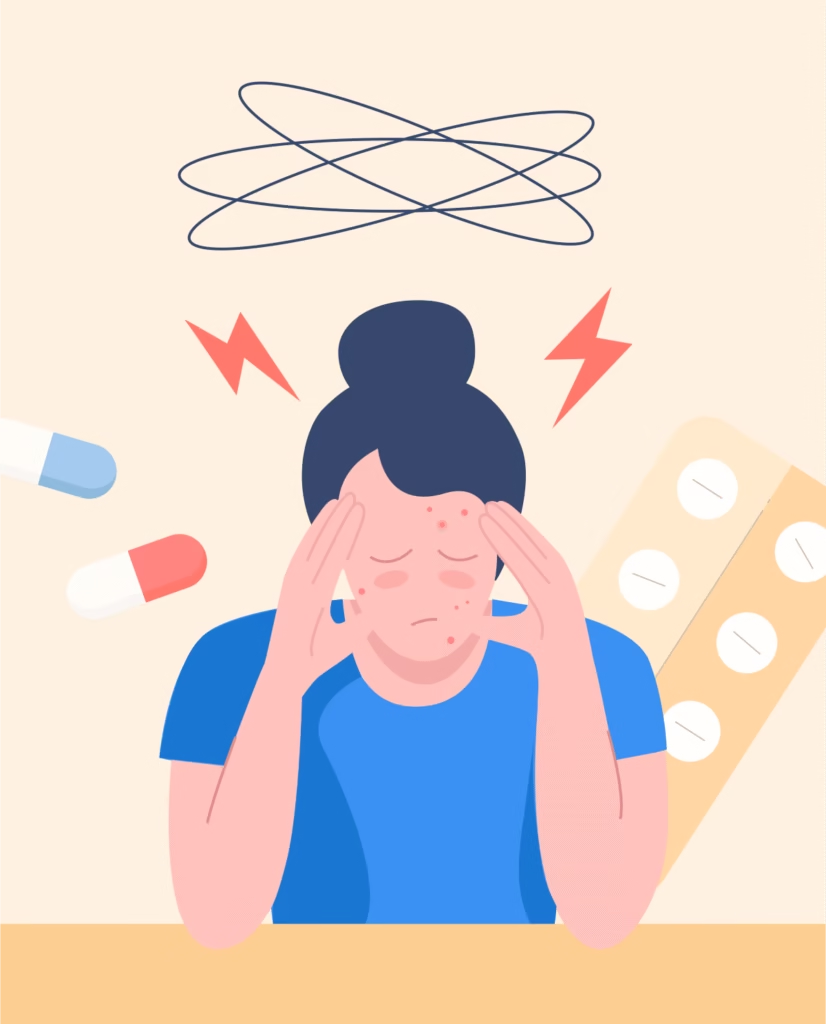
Hormonal balance is foundational to a woman’s physical, mental, and emotional well-being. As holistic health practitioners, we often see clients struggling with PMS, irregular cycles, fatigue, fertility issues, mood swings, or perimenopausal symptoms—many of which are rooted in hormonal dysregulation.
The good news? Food is medicine. And when paired with a cycle-synced lifestyle, nutrition becomes one of the most powerful tools for restoring hormonal harmony—naturally and sustainably.
Why Hormonal Balance Matters
Hormones like estrogen, progesterone, testosterone, insulin, and cortisol play a vital role in:
- Reproductive health and fertility
- Energy levels and metabolism
- Mood, focus, and sleep cycles
- Skin health and inflammation
- Weight regulation and muscle tone
Even subtle imbalances can disrupt this delicate hormonal dance. As holistic practitioners, it’s essential to educate clients on how daily habits—including nutrition—affect their hormonal ecosystem.
What Is Cycle Syncing?
Cycle syncing is a functional and holistic approach that involves aligning nutrition, movement, and lifestyle practices with the four phases of the menstrual cycle:
- Menstrual (Days 1–5) – Rest and replenish
- Follicular (Days 6–14) – Rebuild and energize
- Ovulatory (Days 15–17) – Peak energy and connection
- Luteal (Days 18–28) – Soothe and support
Each phase requires different nutritional and energetic support. Cycle syncing helps balance hormones, ease PMS, regulate the cycle, and reduce inflammation—while improving body awareness and self-care.
Hormone-Balancing Nutrition by Cycle Phase
🌑 Menstrual Phase (Bleeding Phase)
Goal: Support detox, iron replenishment, and deep rest.
Foods to focus on:
- Iron-rich foods: grass-fed beef, lentils, spinach
- Mineral-dense broths and soups
- Root vegetables (sweet potatoes, beets)
- Healthy fats (avocado, olive oil)
Supportive herbs: Nettle leaf (iron-rich), raspberry leaf, ginger
🌱 Follicular Phase (Pre-Ovulation)
Goal: Boost energy, encourage follicle development, support estrogen metabolism.
Foods to focus on:
- Light, fresh meals: salads, sprouts, quinoa, lean proteins
- Cruciferous vegetables (broccoli, kale, cauliflower) to support liver detox
- Fermented foods for gut health
Supportive herbs: Milk thistle, dandelion, Schisandra
🌸 Ovulatory Phase (Ovulation)
Goal: Support peak fertility and estrogen levels while reducing inflammation.
Foods to focus on:
- Anti-inflammatory foods: berries, fatty fish, flaxseeds
- Zinc and B-vitamin-rich foods for egg health
- Hydrating foods like cucumber, watermelon, leafy greens
Supportive herbs: Red clover, maca, vitex (chasteberry)
🍂 Luteal Phase (Post-Ovulation/Pre-Menstruation)
Goal: Support progesterone production and reduce PMS symptoms.
Foods to focus on:
- Complex carbs (sweet potatoes, oats, squash) to stabilize mood and cravings
- Magnesium-rich foods (pumpkin seeds, dark chocolate, leafy greens)
- Warming spices: cinnamon, turmeric, ginger
Supportive herbs: Vitex, ashwagandha, chamomile
Lifestyle Tips for Hormonal Harmony
Nutrition is just one piece of the hormonal puzzle. Encourage clients to pair food with:
- 🧘 Stress management: Chronic cortisol disrupts ovulation and progesterone levels.
- 💤 Sleep hygiene: Aim for 7–9 hours of quality sleep to regulate leptin and melatonin.
- 🧘♀️ Movement syncing: Gentle yoga or walks during menstruation; higher intensity in follicular/ovulatory phases.
- 💧 Toxin reduction: Encourage clean beauty products and filtered water to reduce endocrine disruptors.
- 🩺 Functional testing: Use DUTCH or hormone panels to guide targeted interventions.
Common Hormonal Imbalances to Watch For
As practitioners, educate and screen for:
- Estrogen dominance – Linked to PMS, fibroids, acne, heavy periods
- Low progesterone – Often seen in luteal phase mood swings or infertility
- Adrenal fatigue – Cortisol dysregulation affecting all hormone systems
- Thyroid dysfunction – Especially postpartum or in perimenopause
- Blood sugar instability – A root cause of insulin resistance and PCOS
Use nutrition to help balance blood sugar, support the liver and gut, and reduce inflammatory load—the key triad of hormonal health.
How Practitioners Can Integrate Cycle-Syncing into Practice
- Offer cycle-syncing guides or workshops
- Create weekly or phase-based meal plans
- Support with herbal protocols and adaptogens
- Use tracking apps or cycle journals to empower self-awareness
- Collaborate with functional nutritionists, midwives, or naturopaths for deeper care
Final Thoughts: Aligning with the Wisdom of the Cycle
Holistic hormonal care is about reconnection—to the body, to nature, and to rhythm. Cycle-syncing helps women tune into their innate intelligence, using food and lifestyle not just for symptom management but for vibrant, cyclical living.
As a practitioner, offering this level of support can be transformative for your clients—especially in a world that often overlooks women’s unique needs.